

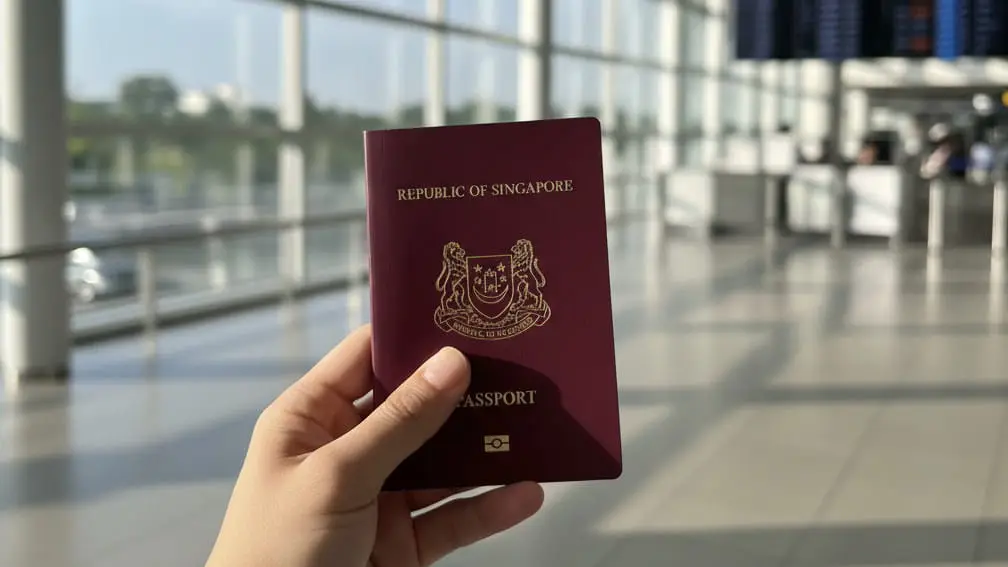
Singapore is one of the most popular countries in the world to live, work, and raise a family. The combination of a strong economy, exceptional safety standards, and a high quality of life attracts thousands of people every year. If you’ve been living on the island as a Permanent Resident, the natural next step is often to seek a more permanent bond with the country. Understanding how to get citizenship is the first step in that process.
Becoming a citizen is more than just a change in legal status – it’s a commitment to the Singaporean way of life. The process is designed to ensure you’re ready to contribute to the country’s continued success. Whether you’re drawn by better healthcare access, world-class education for your children, or one of the world’s strongest passports, the journey to becoming a Singaporean is a rewarding one for those who see it through.
Eligibility for Singapore Citizenship
Before you begin, confirm that you meet the baseline Singapore citizenship requirements. The Singapore citizenship application is generally open to several groups:
- Permanent Residents (PRs). You must have held PR status for at least two years and be at least 21 years old. You may apply together with your spouse and unmarried children under 21.
- Spouses of Citizens. If you’re married to a Singapore citizen and have been a PR for at least two years, you’re eligible – provided you’ve also been married for at least two years at the time of application.
- Children of Citizens. Children born outside Singapore to at least one Singaporean parent are eligible to apply. These applications are typically processed much faster than standard adult applications.
- Students. PRs who have lived in Singapore for more than three years (with at least one year as a PR) and have passed at least one national exam – such as the PSLE or GCE ‘O’ Levels – may apply.
- Aged Parents. If your child is a Singapore citizen, they can sponsor your application once you are already a PR.
The Immigration & Checkpoints Authority (ICA) also evaluates your economic contribution. This means they review whether you have a stable job, pay your taxes consistently, and demonstrate the ability to integrate into local culture and society.
The Singapore Citizenship Application Process
The path to a pink NRIC involves several clear steps, though it requires patience. The entire process can take anywhere from 12 to 24 months. To apply for Singapore citizenship, follow this roadmap:
- Self-Assessment. Make sure you meet all eligibility criteria. If you have any gaps in your employment history or tax records, it’s better to resolve them before applying.
- Online Submission. All applications must be completed online through the ICA’s e-Service portal. You’ll need your Singpass credentials to log in.
- Document Upload. Upload digital copies of all required paperwork. Ensure your scans are clear and in the correct format to avoid delays.
- Payment. A non-refundable $100 fee is required at the time of submission.
- Review Period. The ICA will review your background, financial status, and family ties. During this stage, you may be called for an interview or asked to provide additional documentation.
- In-Principle Approval (IPA). If successful, you’ll receive an IPA letter, which means you’re almost there. However, you must still complete the Singapore Citizenship Journey – a program that includes learning about the country’s history and visiting key local landmarks.
- Renunciation and Oath. Singapore does not permit dual citizenship, so you must renounce your original nationality at your embassy. Finally, you’ll take the Oath of Allegiance and attend a citizenship ceremony.
Documents Required for Singapore Citizenship Application
The success of your application often depends on how thoroughly you organize your paperwork. Providing a complete set of citizenship application documents allows ICA officers to verify your claims without unnecessary delays.
You must provide your current passport and your Blue NRIC (PR card). If you’re applying with family members, you’ll need birth certificates for your children and your marriage certificate. If any of these documents are not in English, you must provide certified translations.
The government wants to see that you can support yourself financially and contribute to the economy. You’ll typically need the following Singapore citizenship application documents:
- A letter of employment from your current employer, dated within the last three months
- Payslips for the last six months
- Income Tax Notices of Assessment for the last three years
- Your CPF contribution history for the past year
If you own a business, you must provide ACRA records and your firm’s latest profit and loss statement.
Educational documents also matter. Include your school diplomas, university degrees, and any professional licenses. Higher education and specialized skills can strengthen your profile.
Benefits of Becoming a Singapore Citizen
Why do so many people choose to become Singapore citizens rather than remain PRs? The reasons are usually found in the long-term security and financial benefits:
- World-Class Healthcare. Citizens receive the highest level of subsidies at government polyclinics and hospitals, making it much easier to manage medical costs as you age.
- Education and Edusave. Singaporean children pay significantly lower school fees and gain access to the Edusave account, which receives government grants to cover enrichment activities.
- Housing Benefits. Only citizens can purchase new Built-To-Order (BTO) flats directly from the Housing Development Board (HDB). These flats are substantially cheaper than resale units and come with generous housing grants.
- Travel Freedom. The Singapore passport is consistently ranked among the most powerful in the world, granting visa-free or visa-on-arrival access to nearly 190 destinations.
- Financial Support. During periods of economic adjustment, the government often provides cash payouts and U-Save rebates to help citizens manage the cost of living.
Things to Consider Before Applying for Singapore Citizenship
The benefits are considerable, but becoming a Singapore citizen is a major life decision with serious responsibilities attached.
- No Dual Citizenship. Singapore strictly prohibits holding two passports. If you choose to become a Singaporean citizen, you must renounce your original nationality. This can be a difficult choice if you have property, business interests, or close family ties in your home country.
- National Service. For male applicants, National Service is an important consideration. If you become a citizen as an adult, you’re usually not required to serve. However, your sons – whether citizens or PRs – will be required to serve two years of full-time National Service after turning 18.
- Cultural Integration. Singapore is a multicultural society that blends Chinese, Malay, Indian, and other influences. The government seeks applicants willing to participate in community events and build roots locally. If you plan to move away from Singapore shortly after gaining citizenship, your application may not be viewed favorably.
Apply for Singapore Citizenship with One Visa
Navigating paperwork and meeting all the requirements can be stressful. For those seeking assistance, immigration consultants can help identify gaps in your profile and ensure every document is prepared correctly. The journey to citizenship is a marathon, not a sprint – and proper preparation makes all the difference when you’re ready to call Singapore your permanent home.

常见问题
You must be a Permanent Resident for at least two years, be 21 years or older, and demonstrate financial stability with a clean legal record.
It typically takes between 12 and 24 months to process. Some straightforward cases may be completed faster.
Generally, no. Most applicants must first hold PR status. The only exception is for children born overseas to Singaporean parents.
You’ll need your identity cards, passport, employment letter, recent payslips, tax records, and educational certificates. If applying with family, marriage, and birth certificates are also required.
Key benefits include the ability to purchase subsidized HDB flats, lower healthcare and education costs, voting rights, and access to one of the world’s strongest passports.


 English
  Chinese
  Japanese