

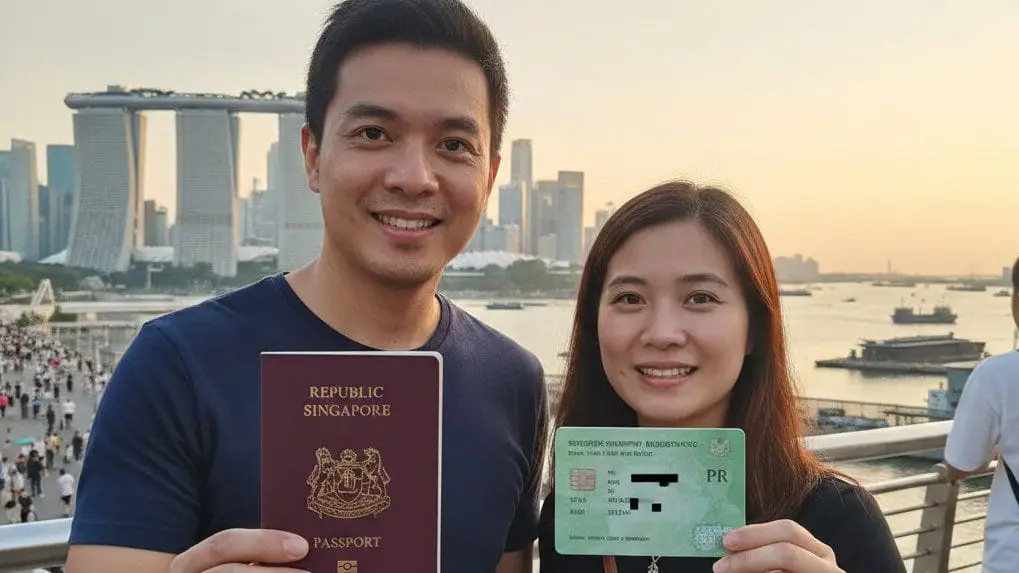
Deciding between becoming a Singapore citizen or remaining a Permanent Resident is a major life choice. Both paths offer security and stability, but the legal and social implications differ significantly. For foreign nationals, understanding Singapore citizen vs PR benefits is the first step toward building a long-term future in the country. Many people start as temporary work pass holders, but moving to permanent resident status becomes essential for those who genuinely want to call Singapore home.
Knowing which option to choose helps you plan for your family’s education, your retirement, and your ability to travel freely around the world. This article compares these two statuses so you can make the best choice for your circumstances and long-term goals.
Singapore PR vs. Citizenship: The Difference
When looking at residency in Singapore, it’s important to understand the legal standing of a シンガポールPR versus a citizen. A Permanent Resident is a foreign national who has been granted the right to live and work in Singapore indefinitely, while retaining their original passport and nationality. A Singapore citizen, on the other hand, is a full member of the nation. Citizenship is permanent and unconditional, while PR status is tied to a Re-Entry Permit that must be renewed every five to ten years.
Several key differences are worth keeping in mind:
- Political Rights. Citizens have the right to vote in national elections and can run for public office. PR holders have no political rights.
- Status Security. A PR can live in Singapore long-term, but their status can be revoked if they commit serious crimes or fail to renew their re-entry permit. Citizenship is nearly impossible to lose once granted.
- Passing on Status. Citizens automatically pass their citizenship to children born in Singapore. For PRs, children are not automatically granted PR or citizen status – they must apply for residency separately.
- The Pathway. Most people must become a PR first. After holding this status for at least two years, they become eligible for a Singapore citizenship application.
Benefits of Singapore Citizenship
The term “Singapore resident” is often used to refer to both citizens and PRs, but citizens sit at the very top of the residency hierarchy. 選択 Singapore citizenship brings the highest level of benefits provided by the government:
- Passport and Travel. One of the most well-known perks is the Singapore passport, which consistently ranks among the most powerful in the world. It allows visa-free or visa-on-arrival access to nearly 200 countries.
- Housing Subsidies. Only citizens can purchase new HDB flats directly from the government. They also qualify for substantial housing grants that can save families hundreds of thousands of dollars.
- Healthcare and Education. Both residents receive subsidies, but citizens pay the lowest rates. Primary school tuition, for example, is often free or nearly free for citizens, while even PRs must pay monthly fees.
- Employment. Some government-linked roles and positions requiring security clearances are strictly reserved for citizens. Additionally, employers don’t face quota restrictions or levy obligations when hiring citizens.
- Family Support. Citizens benefit from Baby Bonus schemes and other cash incentives when they have children – financial rewards and savings accounts designed to help with the cost of raising a family.
Benefits of Singapore PR
You know the meaning of Singapore resident and its benefits. But for many, becoming a Singapore PR represents the perfect middle ground. It offers most of the stability of citizenship without requiring you to give up your original nationality – particularly important for people from countries that don’t permit dual citizenship.
- Career Freedom. As a PR, you no longer need a specific work visa, such as an Employment Pass. You can change jobs freely without your new employer having to apply for a new permit on your behalf.
- Central Provident Fund (CPF). PRs and citizens both contribute to the CPF, a mandatory social security savings plan. Your employer also contributes to this fund, which can be used for healthcare, housing purchases, and retirement.
- Public Housing. While you can’t purchase brand-new HDB flats independently, a Singapore PR can buy resale HDB flats or private property without the heavy Additional Buyer’s Stamp Duty that foreigners face.
- Education Access. Your children receive priority for spots in local government schools. Fees are higher than what citizens pay, but they’re substantially lower than the rates charged to international students.
- Long-Term Security. You can live, enter, and exit the country without worrying about your work contract ending or visa expiration. This provides a stable environment to raise a family and build a business.
Which Status Is Right for You?
Choosing between Singapore PR and citizenship depends on your long-term vision and personal circumstances.
- You should aim for PR status if you want the flexibility to work and live in Singapore without committing to permanent residency, or if your home country doesn’t allow dual citizenship. Many people remain PRs for decades because it provides nearly all the economic benefits without requiring them to renounce their birth nationality.
- You should pursue citizenship if you’ve decided that Singapore is your permanent home. Citizenship is the logical next step for those who want to be fully integrated into the community, vote on the country’s future, and give their children the best possible foundation.
The biggest factor for many is the difference between PR and citizenship Singapore regarding National Service. All male citizens and second-generation male PRs must serve two years in the military after turning 18. This is a significant commitment that families need to discuss thoroughly before applying. Additionally, Singapore does not permit dual citizenship for adults – you must renounce your current nationality to become a citizen.
Singapore PR and Citizenship: We Are Here To Help
Deciding to settle permanently in a new country is a complex journey. Whether you choose to remain a resident or take the final step toward full citizenship, both pathways offer a high quality of life, safety, economic opportunity, and a world-class living environment.
If you’re uncertain about the requirements or need assistance with your application paperwork, seeking professional guidance can make the process significantly smoother and reduce the risk of delays or rejections.

よくあるご質問
The biggest difference is that citizens have political rights (such as voting) and hold a Singapore passport. At the same time, PRs retain their original nationality and must renew a Re-Entry Permit every few years. Citizens also receive significantly higher subsidies for housing and healthcare.
Yes. In most cases, you must hold Permanent Resident status for at least two years before you become eligible to apply for citizenship.
Citizens gain access to the Singapore passport, pay lower education and healthcare fees, are eligible to purchase new HDB flats, and receive various government grants, including the Baby Bonus scheme.
You can apply after holding PR status for two years. The citizenship application typically takes 6 to 12 months to process.
Yes. If you remain outside Singapore without a valid Re-Entry Permit, or if the permit expires while you’re away, your PR status can be automatically lost. The government can also revoke it for serious criminal activity.


 English
  Chinese
  Japanese